
- Call Us: +15672810466
- Email:info@auliyacouncil.com
Samā: A Disciplined Journey of the Heart and the Awakening of the Soul
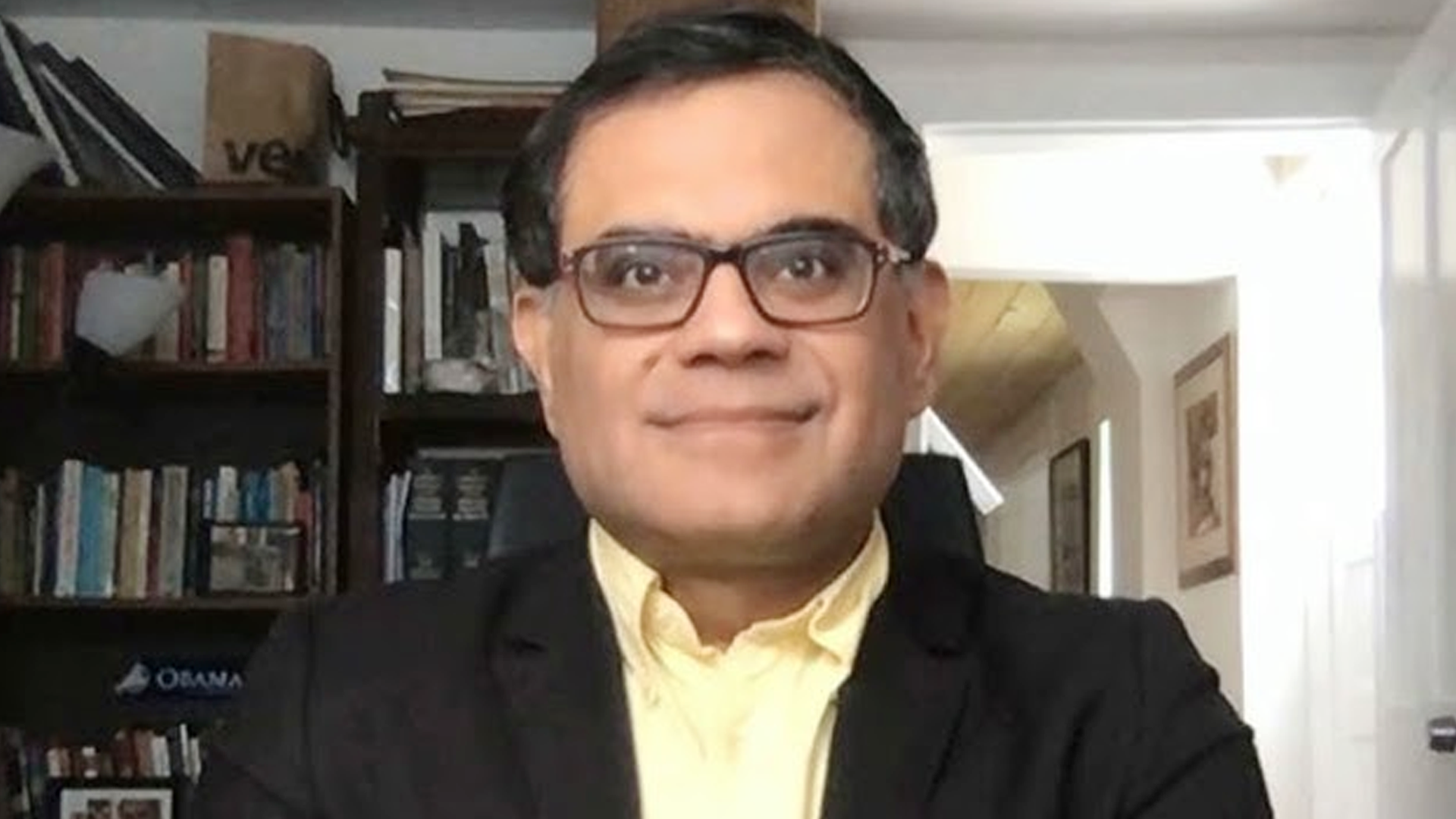
Raza Ahmad Rumi
This essay is based on remarks delivered by the renowned intellectual and researcher Raza Rumi on the occasion of the book launch of Naghmāt-e-Samāʿ-e-Hindvī. In his address, he thoughtfully examined samāʿ, the Sufi tradition, and particularly the spiritual and civilizational role of the Chishtī order, situating them within a broader intellectual, cultural, and humanistic framework. What follows is a written rendering of that discourse.
First and foremost, heartfelt congratulations are due to Dr. Mehdi Kazmi and his colleagues, whose long-standing dedication, care, and sincerity have culminated in the completion and formal unveiling of this important work on samāʿ and the Sufi tradition. This occasion is not merely the launch of a book; it marks a milestone in an intellectual, spiritual, and cultural journey. On a personal note, it was also a moment of joy to reconnect with a dear childhood friend, Taimur—an experience that beautifully reflects the essence of the Sufi tradition: bringing separated hearts together and transforming individuals into a living, breathing community.
The Sufi tradition is not confined to individual spirituality alone; it represents a living social experience in which hearts are connected through companionship, shared spaces, and collective gatherings. In this context, listening to the insightful and thought-provoking speeches of today’s speakers deepened the realization that speaking about samāʿ is not merely an artistic or cultural exercise, but a serious spiritual responsibility.
Samāʿ: Not Mere Music, but the Voice of the Inner Self
When one sits in a shrine or a gathering of samāʿ and observes the stillness on faces, the moisture in eyes, and the profound spiritual presence within silence, it becomes evident that this is not simply a musical performance. Rather, it is a direct address to the collective heart. Samāʿ is a structured spiritual practice aimed at disciplining the heart, refining the ego, and seeking closeness to the Divine.
Linguistically, the word samāʿ means listening or hearing. In Sufi practice, however, it signifies a form of listening that penetrates the heart and brings about inner transformation. Early Sufis regarded samāʿ—through Qur’anic recitation, devotional praise, mystical poetry, and melody—as a means to awaken spiritual sensitivity. One foundational principle was always emphasized: the issue lies not in the sound itself, but in the listener’s intention and inner state.
Those who hear the voice of Truth are set free, while those who hear only the voice of the ego are undone. One who listens to the call of Truth is liberated from the captivity of the self, while one who listens only to personal desire turns even beauty into nourishment for the ego.
The Chishtī Tradition and the Civilizational Role of Samāʿ
In the Indian subcontinent, it was the Chishtī Sufis who gave samāʿ enduring spiritual dignity and continuity. From Ajmer Sharif to Delhi, and through figures such as Khwāja Bakhtiyār Kākī, the Chishtī order transformed religious outreach from confrontation into dialogue. By embracing local languages, folk traditions, musical modes, and poetic expression, they shaped Sufism into a moral and spiritual framework deeply rooted in society.
It was within this environment that major spiritual movements such as the Bhakti tradition emerged. Figures like Guru Nanak, Bhagat Kabir, Bulleh Shah, and Bengal’s Lalon Fakir were all inheritors of this shared spiritual heritage. By presenting the principles of samāʿ in accessible, local, and reflective languages, they found a place in the hearts of the people.
From this same tradition arose the extraordinary figure of Amir Khusrau, who fused Persian and Hindavi, love and music, into a unified spiritual language. Centuries later, his verses remain alive, testifying to the fact that samāʿ transcends language and becomes the language of the heart.
The Stages of Samāʿ: From Intention to Return
Samāʿ is not a static ritual but a gradual spiritual journey with several stages. It begins with intention, even before sound, asking why one listens in the first place. Without reverence, samāʿ is reduced to spectacle, for spiritual listening requires humility and adab. The gathering itself is not merely a physical space but an ethical and spiritual environment in which words can settle into the heart.
Poetry then becomes the language of love, separation, union, annihilation, and permanence, awakening the inner vision. As the heart responds, the experience may unfold as spiritual taste, ecstasy, or inner absorption. Yet true excellence lies not in the intensity of experience, but in a dignified return, where balance between faith and worldly life is restored. Through books, gatherings, and living traditions, this light continues onward, passing from heart to heart.
Qawwālī: The Most Vibrant Public Expression of Samāʿ
Qawwālī represents the most powerful and communal form of samāʿ. Through repetition, rhythm, and collective voice, it generates a state that cannot be achieved in isolation. Here, commitment precedes argument, an idea that lies at the very heart of Sufism.
An empty heart is not a deficiency, but a space of possibility. Only when the heart is emptied of arrogance and ego does remembrance truly descend. The voice of Truth enters only an empty heart.
© Copyright 2024, All Rights Reserved By ACNA