
- Call Us: +15672810466
- Email:[email protected]
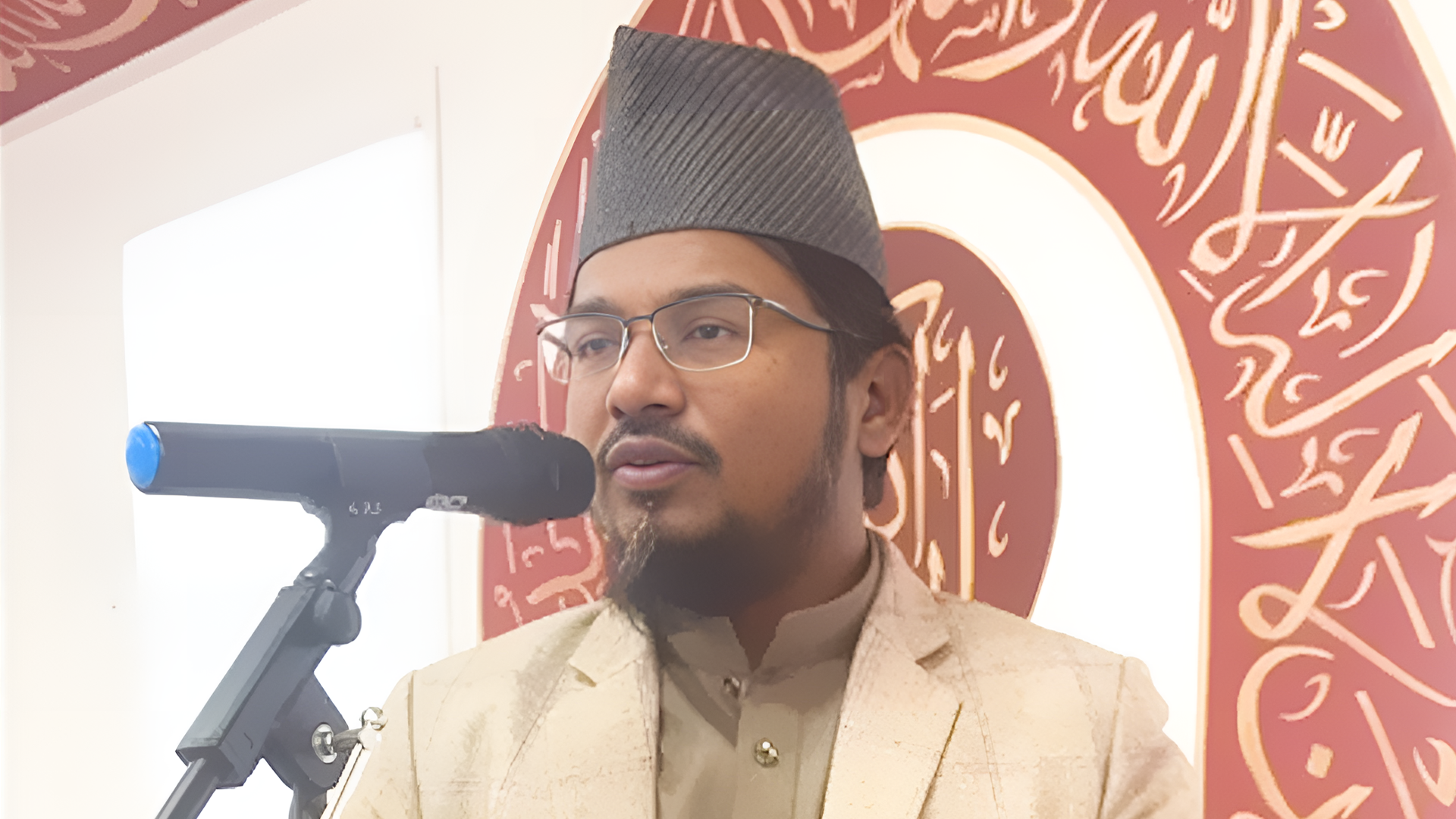
Discipline of the Soul and the Triumph of Moral Strength
This article is adapted from a spiritually insightful Friday sermon (Khitab-e-Jumu‘ah) delivered by Mufti Imamuddin Saeedi at Jamia Masjid Babu Zulfiqar, under the auspices of the Auliya Council of North America (ACNA). In this address, he reflected on the spiritual wisdom, moral discipline, and transformative purpose of the blessed month of Ramadan in the light of the Qur’an and the teachings of the Prophet Muhammad ﷺ.
- A Sacred School of Transformation
As the blessed month of Ramadan approaches its final days and the community observes the solemn moment of Jumu‘at al-Wida‘, the farewell Friday, it becomes essential to reflect on the deeper meaning of this sacred time. Ramadan is not merely a passing station in the calendar, nor simply a season of rituals that begin and end within thirty days. Rather, it is a profound spiritual institution—a school in which the human will is tested, the soul is refined, and determination is shaped through discipline and devotion.
Ramadan trains the believer to rise above the distractions of the material world and reconnect with the deeper purpose of life. Through fasting, prayer, reflection, and charity, the believer learns patience, humility, and moral responsibility. It is a time when the heart becomes conscious of God and the soul regains control over its impulses.
- The Greatest Victory: Victory Over the Self
At the heart of Ramadan lies a powerful spiritual struggle—the struggle between the soul and the body, between truth and falsehood, and between a person and the impulses of the commanding self (nafs al-ammārah).
When a person conquers personal desires, conquering external challenges becomes far easier. For this reason, the greatest victory a believer can achieve in Ramadan is victory over the self.
The Qur’an beautifully captures this reality:
“By the soul and the One who fashioned it, and inspired it with its wickedness and its righteousness: successful indeed is the one who purifies it, and failed indeed is the one who corrupts it.”
(Qur’an 91:7–10)
Ramadan therefore becomes a training ground for self-discipline. It teaches individuals to control impulses, abandon harmful habits, and cultivate virtues such as patience, generosity, humility, and compassion.
“The strong person is not the one who defeats others. The truly strong person is the one who controls himself.”
— Prophet Muhammad ﷺ
- The Greater Struggle
The Prophet Muhammad ﷺ emphasized that true strength lies not in physical power but in mastery over one’s own soul. In a narration reported from Jabir (رضي الله عنه), a group of companions returned from battle, and the Prophet ﷺ remarked:
“You have returned from the lesser struggle to the greater struggle.”
When the companions asked what the greater struggle was, he replied:
“The struggle of a servant against his own desires.”
This statement captures the deeper philosophy of fasting. Ramadan is not a withdrawal from life; it is an intensive spiritual training program that restores balance between body and soul. By learning to restrain desires during fasting, a person gains the strength to lead a disciplined and purposeful life.
- Ramadan and the History of Great Victories
Islamic history reveals that some of the most important moments in the early Muslim community occurred during Ramadan. This coincidence is not accidental; rather, it reflects the transformative power of this sacred month.
One of the most significant examples is the Battle of Badr, which took place in the second year after the Hijrah. Interestingly, fasting had just been made obligatory shortly before this historic event. It was as though Ramadan prepared the believers spiritually for the challenges ahead.
Despite being greatly outnumbered, the Muslims achieved victory through faith, unity, patience, and reliance upon God.
The Qur’an reminds believers of this moment:
“Allah had already given you victory at Badr when you were few in number. So be mindful of Allah that you may be grateful.”
(Qur’an 3:123)
- The Day of Mercy: The Conquest of Mecca
Another defining event that occurred in Ramadan was the Conquest of Mecca (Fath Makkah) in the eighth year after the Hijrah. On this historic occasion, the Prophet Muhammad ﷺ demonstrated one of the most extraordinary examples of mercy in human history.
Standing before the people of Mecca—many of whom had persecuted him and his followers for years—the Prophet asked:
“What do you think I will do with you today?”
They replied with humility:
“You will treat us with kindness. You are a noble brother and the son of a noble brother.”
The Prophet ﷺ responded with words that transformed the moment into a symbol of mercy:
“Go, for you are all free.”
Even former adversaries such as Abu Sufyan were granted safety. The Prophet declared that anyone who entered Abu Sufyan’s house, laid down their weapons, or remained peacefully in their homes would be safe.
Ramadan is the arena where faith becomes strength, worship becomes determination, and fasting becomes the power that transforms individuals and societies.
- A Month that Shapes Civilization
Ramadan is therefore not only a time of personal worship; it is also a force that shapes communities and civilizations. Through the spiritual discipline cultivated during this sacred month, early Muslims developed the moral strength to carry the message of justice, compassion, and human dignity beyond the Arabian Peninsula.
It was Ramadan that shaped individuals who combined spiritual devotion with moral courage and social responsibility.
In essence, Ramadan reminds humanity that the greatest victory is not over others, but over the self. When individuals achieve that inner victory, they become capable of building societies rooted in justice, mercy, and peace.
© Copyright 2024, All Rights Reserved By ACNA