
- Call Us: +15672810466
- Email:[email protected]
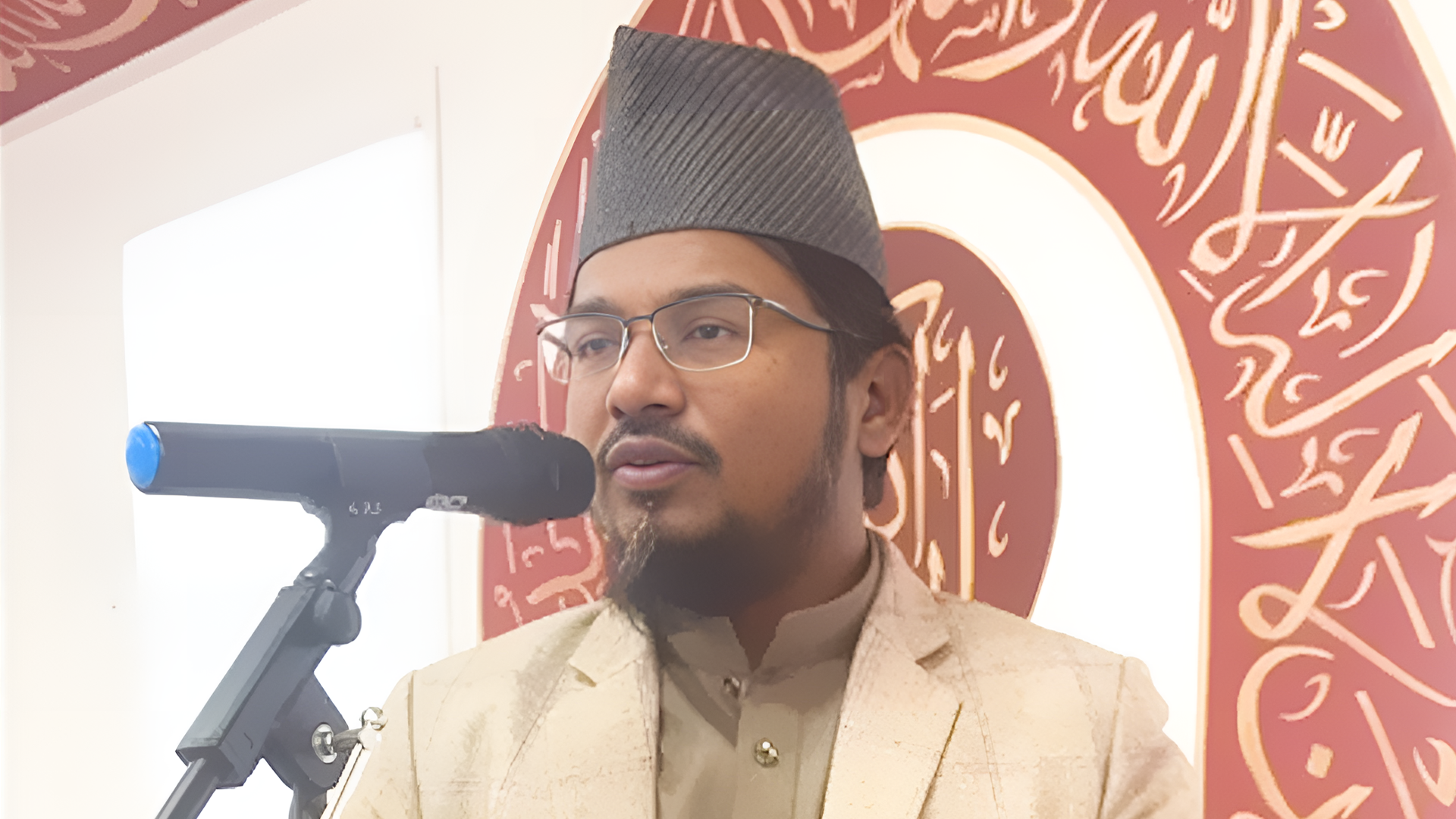
The True Concept of Success — An Intellectual Reflection
Mufti Imamuddin Saeedi
This text is derived from an intellectual, reformative, and insight-giving sermon delivered by Mufti Imamuddin Saeedi on the occasion of the Friday sermon at Jama Masjid Babu Zulfiqar, Auliya Council of North America. In this address, he explained—clearly and comprehensively—the true meaning of success in the light of the Qur’an and Sunnah.
In human societies, a particular notion of success has become so widespread over time that it has deeply embedded itself in our minds, to the extent that we unconsciously accept it as truth. Today, success is measured in terms of wealth, property, business, fame, power, and authority. A person is considered successful if he is wealthy, owns large businesses, lives in grand houses, drives expensive cars, or has access to the corridors of power.
This is precisely the intellectual misconception that has blurred the true meaning of success.
The reality is that whatever concept of success a person adopts determines the direction of his struggle, effort, priorities, and life itself. If success is understood as wealth, then the entire race of life is directed toward acquiring it; if it is seen as power, then all energies are devoted to attaining authority. This is the very point that most urgently needs correction.
According to Islam, success does not lie in wealth, power, fame, or authority. True success lies in faith, in bowing before Allah, in prostration, and in adopting righteous deeds. This shift in understanding has the power to bring about a complete transformation in a person’s character and life.
If wealth were the true measure of success, then Qarun would have been considered the most successful person in history. If political power were true success, then Pharaoh and Nimrod would have been regarded as the greatest success stories of all time. Yet the Qur’an and Sunnah declare them failures—misguided and ruined. In contrast, companions such as Bilal al-Habashi, Abu Dharr al-Ghifari, and Abu Hurairah (may Allah be pleased with them)—who possessed neither wealth nor property nor worldly grandeur—are counted among the most successful individuals in the sight of Allah.
The Prophet Muhammad ﷺ described such people by saying that the world considers them insignificant: their voices are not heard, their recommendations are not accepted, and they are not given importance in gatherings. Yet in the sight of Allah, their status is so elevated that if they were to swear an oath by Allah, He would fulfill it. This is the fundamental difference between worldly success and true success.
Understanding this truth is not difficult, and affirming it with the tongue is also not hard. However, reshaping one’s thinking, priorities, and inner inclinations in accordance with it is an extremely challenging task. One major reason is that human beings are deeply influenced by their surroundings. When a person sees luxurious palaces, expensive cars, and outward displays of splendor, an instinctive feeling arises that these people must be successful and fortunate—whereas it is entirely possible that these very things represent their greatest failure in the sight of Allah.
For this reason, the Qur’an repeatedly clarifies the standard of success and proclaims that true success lies in the worship of Allah, righteousness, and good deeds. When faith becomes firmly rooted in the heart, every dimension of life begins to change. Priorities are transformed, the direction of effort shifts, and things that once appeared immensely important begin to feel meaningless.
The Messenger of Allah ﷺ explained the reality of this world through the example of a traveler who rests briefly in the shade of a tree and then moves on. The world is neither his permanent home nor his final destination. For a believer, this world is likewise only a temporary passage.
While living in this world, it is natural for the dust of heedlessness to settle upon one’s faith—just as snow settles on clothes during a snowfall. This dust must be shaken off repeatedly, and that is only possible when a person continually reminds himself that true success is not found in worldly glitter and glamour, but in the purity of faith and righteous deeds.
Wealth, power, fame, and ownership are not true success. True success lies in obedience to Allah, purity of the heart, worship, acts of charity, helping the weak, and benefiting humanity. The Qur’an declares that the truly successful person is the one who purifies his soul.
When this understanding becomes firmly rooted in the heart, a person lives in the world without becoming enslaved by it. He sees the world not as a goal, but as a means—and this intellectual balance is, in reality, the foundation of true success.
May Allah grant us the ability to recognize true success, shape our lives according to it, and act upon it. Ameen.
© Copyright 2024, All Rights Reserved By ACNA