
- Call Us: +15672810466
- Email:info@auliyacouncil.com
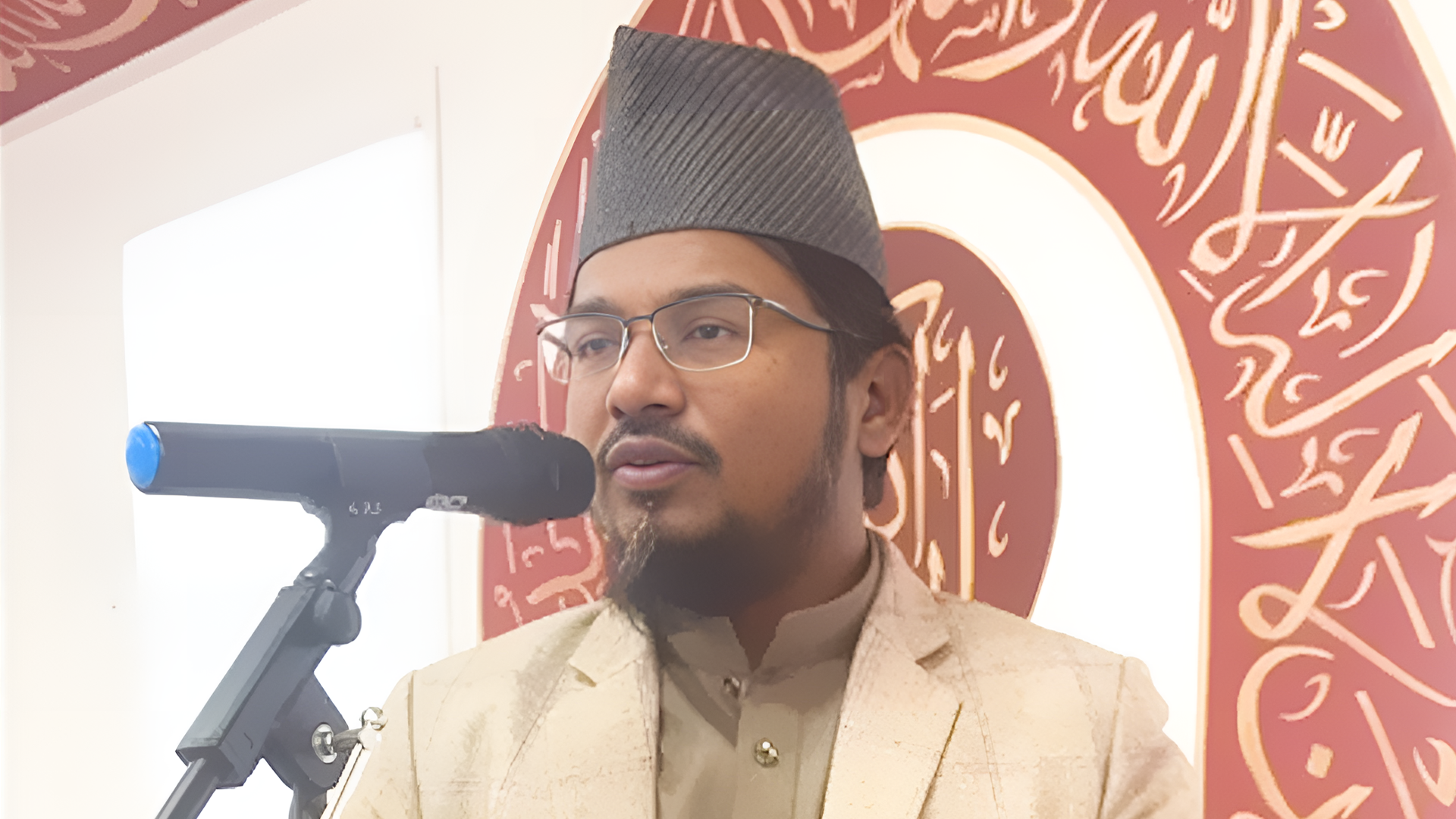
This article is based on an intellectual, reformative, and spiritually insightful Friday sermon delivered by Mufti Imamuddin Saeedi at Jamia Masjid Babu Zulfiqar, under the auspices of the Auliya Council of North America (ACNA). In this profound address, he explains with clarity and depth the spiritual wisdom, moral discipline, and transformative purpose of the blessed month of Ramadan in the light of the Qur’an and the teachings of the Prophet Muhammad ﷺ, guiding believers toward a deeper understanding of self-discipline, taqwa, and true spiritual success.
Ramadan is one of the most sacred and spiritually transformative months in Islam. It is a time devoted to reflection, devotion, self-discipline, and compassion. During this blessed month, Muslims fast from dawn until sunset, abstaining from food, drink, and other physical needs as an act of worship and obedience to Allah. However, the essence of fasting extends far beyond physical restraint; it is a journey toward inner purification, spiritual awareness, and strengthening one’s relationship with the Creator.
Fasting during Ramadan nurtures a deeper sense of taqwa (God-consciousness). By voluntarily restraining physical desires, believers become more mindful of their actions, intentions, and responsibilities before Allah. The discipline of fasting teaches patience, humility, and gratitude while encouraging Muslims to reflect on their lives and strive for moral and spiritual improvement.
One of the central teachings related to fasting comes from the Prophet Muhammad ﷺ, who described fasting as “a shield.” This powerful metaphor highlights the protective nature of fasting. It shields believers from sinful behavior, negative speech, and harmful actions. During Ramadan, Muslims are encouraged to avoid arguments, harsh words, and immoral conduct. Even when provoked, a fasting person is advised to remain calm, patient, and dignified, demonstrating the true spirit of self-control and ethical discipline.
Ramadan also carries a strong social and humanitarian dimension. It is a time when compassion, generosity, and empathy are emphasized within the community. Believers are encouraged to forgive others, help those in need, and strengthen family and social bonds. Acts of charity, kindness, and service become especially meaningful during this month, reflecting the moral values that Islam seeks to cultivate within society.
In addition to fasting, Ramadan encourages increased engagement with acts of worship such as prayer, recitation of the Qur’an, remembrance of Allah, and seeking forgiveness. These spiritual practices help believers purify their hearts, realign their priorities, and develop a deeper awareness of their purpose in life.
Ultimately, Ramadan is a profound opportunity for personal transformation and spiritual growth. It reminds believers that true success lies not in worldly achievements alone but in developing a life rooted in faith, gratitude, discipline, and righteousness. By embracing the lessons of patience, compassion, and devotion taught during Ramadan, Muslims strive to emerge from the month as better individuals—more conscious of Allah and more committed to serving humanity.
Ramadan, therefore, is not merely a month of fasting; it is a school of character, a period of renewal, and a pathway toward a more meaningful and spiritually enriched life
© Copyright 2024, All Rights Reserved By ACNA