
- Call Us: +15672810466
- Email:info@auliyacouncil.com
Dr. Afra Jalabi
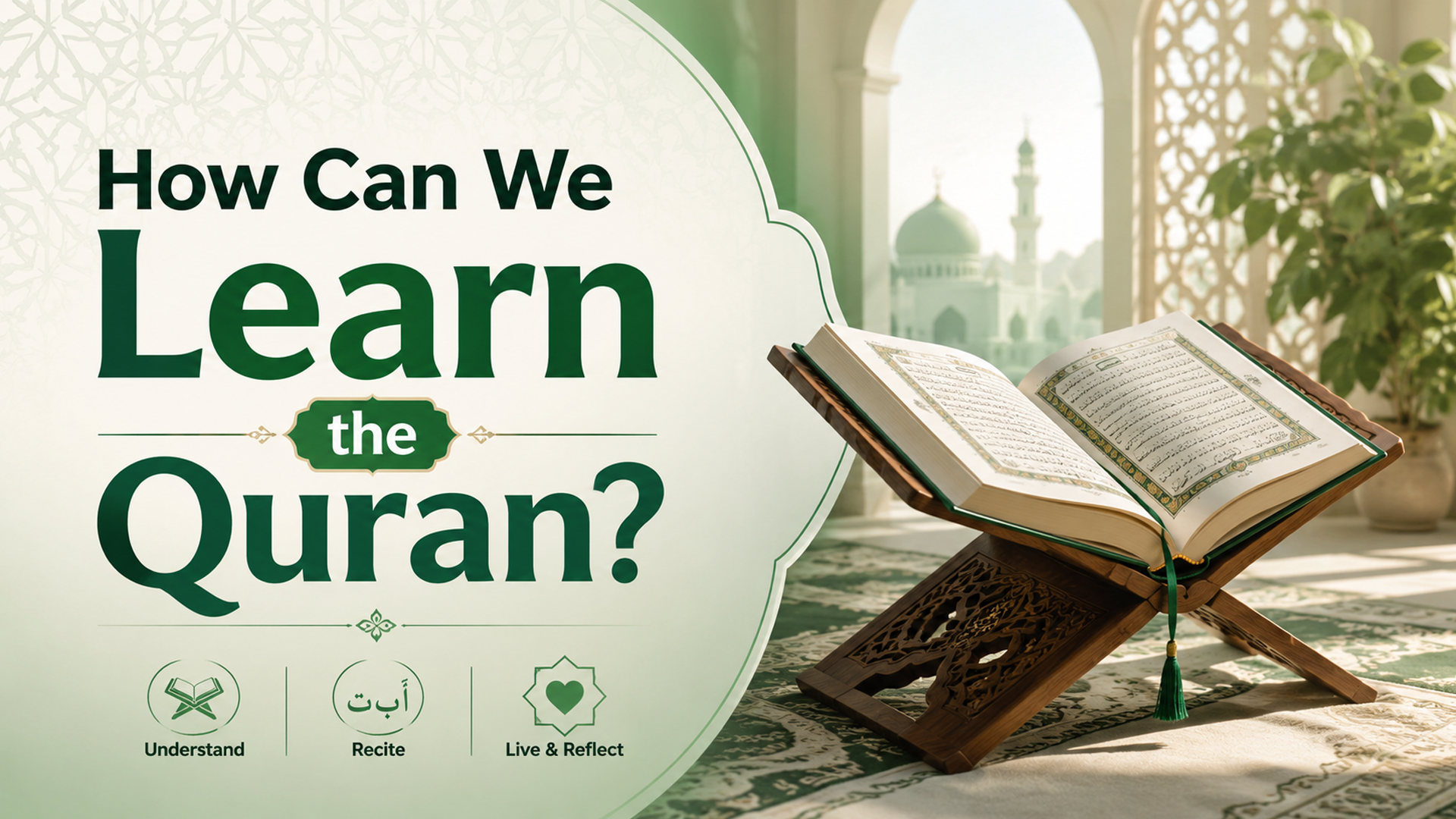
Learning the Quran is not only about reading Arabic words or completing a recitation. It is about building a living relationship with the Book of Allah. The Quran came with the command to “read,” and this shows that Islam gives great importance to learning, reflection, understanding, and awareness. The Quran teaches us to read not only the written verses, but also the signs of God in the universe, in history, in human life, and within our own hearts.
When we read the Quran, we should approach it with sincerity and humility. A person should ask: Why am I reading this? Am I only reading for information, or am I ready to be guided and changed? The Quran is not a closed text that limits the mind. It opens the mind and heart. It invites us to think, question, reflect, observe, and understand. Every verse carries meaning, and every meaning can open a new door of awareness.
The word “ayat” itself is very powerful. It means both verses and signs. This means the Quran is teaching us that revelation and creation are connected. The verses of the Quran are signs, and the world around us is also full of signs. When we read the Quran deeply, we begin to understand life differently. We start seeing meaning in creation, in human experiences, in struggles, in mercy, and even in our own inner journey.
One important way to learn the Quran is to read it with an open heart and an honest mind. We should not come to the Quran with arrogance, prejudice, or a desire to force our own ideas onto it. At the same time, we should not be afraid to ask questions. The Quran itself encourages reflection and deep thinking. It does not ask human beings to stop using their minds. Rather, it teaches us to activate our thinking in a higher and more meaningful way.
The Quran also has a unique style. It does not always move like a regular story from beginning to end. Sometimes it returns to the same theme from different angles. It reminds, repeats, expands, and brings the reader back to the main message with deeper understanding. This style reflects the journey of life itself. We move forward, we return, we repent, we learn, and we grow.
To understand the Quran better, we should also pay attention to the context of revelation. The Quran was revealed over 23 years: 13 years in Makkah and 10 years in Madinah. The Makkan verses focus deeply on faith, human dignity, the Hereafter, God-consciousness, and spiritual foundations. The Madinan verses also deal with society, family, law, community, and moral responsibilities. Knowing this background helps us understand the wisdom and depth of the Quranic message.
The Quran is also a book of mercy. Its warnings are not meant to create hopeless fear. They are meant to protect the human being from spiritual harm, injustice, and self-destruction. The Quran shows us the consequences of our choices and then calls us back toward mercy, forgiveness, guidance, and peace. It teaches that human life is a trust and responsibility, not merely a punishment. We have been given moral freedom, and with that freedom comes accountability.
There are many ways to read and learn the Quran. Sometimes we may read it quickly to understand its overall message. At other times, we should read one surah or even one passage slowly and repeatedly, allowing its meaning to settle in the heart. Both ways are valuable. What matters most is that the Quran should not remain only on the tongue; it should enter our thinking, character, relationships, and actions.
Surah Al-Fatiha beautifully represents this journey. It opens the Quran and opens the heart of the believer. It teaches us praise, gratitude, worship, dependence on Allah, and the constant need for guidance. Every time we recite it, we are reminded that guidance is not a one-time achievement. It is a continuous journey.
In the end, learning the Quran means learning how to live with wisdom, mercy, humility, and responsibility. The Quran leads us from darkness to light, from confusion to clarity, and from hardness of heart to compassion. It is not only a book to be recited; it is a guide to be understood, lived, and carried into the world through our character.
© Copyright 2024, All Rights Reserved By ACNA