
- Call Us: +15672810466
- Email:info@auliyacouncil.com
Mufti Imamuddin Saeedi
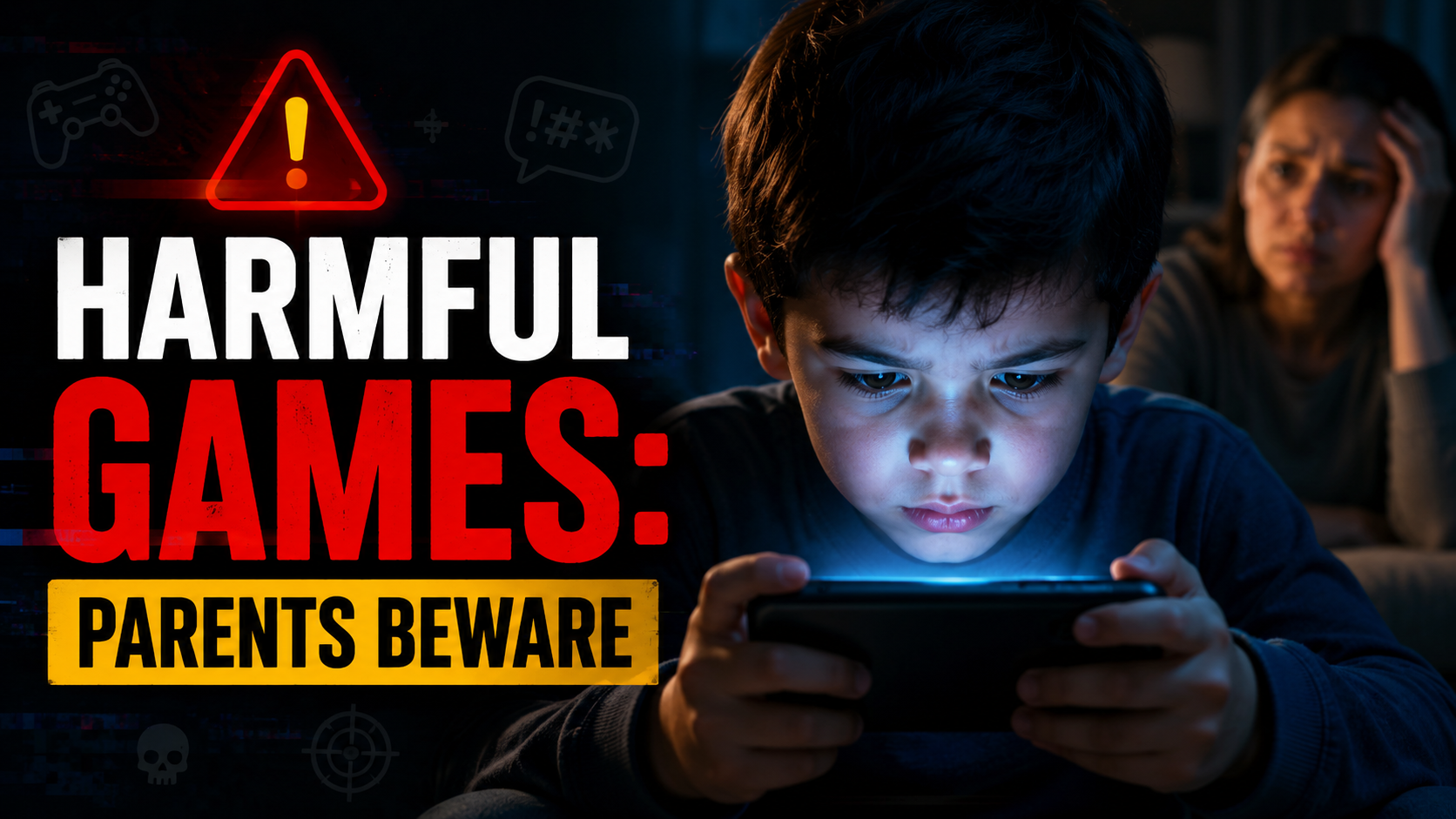
In today’s digital age, electronic games have become a common part of children’s daily lives. What was once considered a simple form of entertainment has now, in many cases, turned into a hidden addiction. These games quietly enter the minds and hearts of children, affect their upbringing, weaken their physical health, and disturb their behavior, learning, and emotional development.
Children often become deeply attached to screens. Their attention is captured, their valuable time is consumed, and the natural moments of real growth are taken away from them. Gradually, a child may become like a prisoner of the virtual world, moving farther away from real life, family relationships, social values, and moral discipline.
One of the greatest dangers is the lack of awareness and supervision. When children are left alone with electronic games without guidance, harmful effects begin to appear in their personality. Some children become isolated, aggressive, emotionally numb, or careless about their responsibilities. These games may also cause physical problems such as eye strain, sleep disturbance, laziness, and lack of physical activity.
For this reason, parents must develop a culture of responsible use of technology. They should set proper time limits, select suitable and ethical content, and provide healthy alternatives that build children’s skills, strengthen their character, and create balance in their daily lives.
Technology itself is not evil. It is a blessing when used correctly, but it becomes harmful when left uncontrolled. Children are a trust from Allah, and parents are responsible for protecting their minds, bodies, faith, and character. A balanced life must be created for them — a life that includes enjoyment, learning, discipline, and meaningful development.
Islam does not prohibit healthy recreation. Rather, Islam encourages balanced and beneficial activities for children. Games that help children develop their talents, improve their thinking, refresh their minds, and provide lawful relaxation are permissible. However, such games must remain within the limits of Islamic teachings and good social values.
If a game contains gambling, immoral scenes, explicit content, violence, crime, corruption, disrespect for religion, violation of social ethics, spying, or invasion of privacy, then such a game is not acceptable. Even if it contains some apparent benefit, it becomes prohibited because Islam gives priority to preventing harm.
The Prophet ﷺ said:
لَا ضَرَرَ وَلَا ضِرَارَ
“There should be neither harm nor reciprocating harm.”
This Hadith teaches us a major principle of Islamic law: anything that causes serious harm to a person’s faith, body, mind, or character must be avoided.
Parents have a religious responsibility to guide and protect their children. Allah Almighty says:
يَا أَيُّهَا الَّذِينَ آمَنُوا قُوا أَنفُسَكُمْ وَأَهْلِيكُمْ نَارًا
“O you who believe, protect yourselves and your families from a fire.”
Sayyidina Ali رضی اللہ عنہ explained this verse by saying that parents should teach their families what will save them from the Fire. This means that parents must not only provide food, clothing, and education, but also protect their children’s faith, morals, habits, and behavior.
The Prophet ﷺ also taught that every guardian will be questioned about those under his care — whether he protected them or neglected them. Therefore, the time children waste on harmful games and the money spent on such distractions are serious matters. Parents must address this issue before it becomes too late.
A better approach is to gradually reduce children’s dependence on electronic games and involve them in beneficial activities. They should be encouraged to memorize the Qur’an, read good books, take part in sports, spend time with family, join group activities, and follow a healthy daily routine.
Some electronic games may lead children toward dangerous thoughts, moral corruption, disbelief, violence, or even self-harming ideas. Therefore, parents must know which platforms their children are using, what type of games they are playing, and what kind of content they are being exposed to.
To deal with this issue, parents should take practical steps. They should set a fixed and flexible schedule for screen time, preferably not more than one or two hours. They should choose age-appropriate and morally safe games. They should sometimes play with their children and discuss the content with them. They should also provide real-life alternatives such as sports, outdoor trips, creative activities, and family gatherings. Most importantly, they should use parental control tools to monitor screen time and protect children from harmful content.
In conclusion, technology is a double-edged sword. If used properly, it can be a source of benefit. If left uncontrolled, it can become a cause of harm. Children are a precious trust, and raising them requires wisdom, patience, supervision, and love. Parents must create a balanced life for their children — a life that combines entertainment with education, enjoyment with discipline, and technology with moral development.
May Allah grant us the ability to fulfill our responsibilities and protect our children from every harmful influence. Ameen.
© Copyright 2024, All Rights Reserved By ACNA