A reflection on kindness, compassion, and shared responsibility in Islam
A society becomes truly strong when its people care for one another. Its strength is reflected in the support available to the weak, the dignity afforded to those in need, and the compassion shown to people facing hardship. When individuals recognize that the well-being of others is also their concern, a community becomes a place of trust, belonging, and hope.
This Jum’ah Khutbah explores these foundations of a healthy society through the teachings of the Holy Qur’an and Prophet Muhammad ﷺ. Its central message is simple: do good sincerely, ease the burdens of others, and help build a community in which no one feels abandoned.
Goodness That Reaches Beyond the Individual
The Qur’anic call to do good connects righteous action with true success. Every act of kindness has an immediate recipient, but its influence often reaches much further. Feeding someone who is hungry relieves a personal need while also encouraging generosity. Supporting a struggling family strengthens their sense of security and reminds others that help is possible.
Such actions build trust between people. When a person facing difficulty finds someone willing to listen, assist, or offer comfort, the community begins to feel like a compassionate family. Its members recognize one another’s rights and share responsibility for one another’s welfare.
Goodness also encourages goodness. Those who experience sincere care may become more willing to extend that care to others, allowing compassion to spread throughout society.
The Many Forms of Kindness
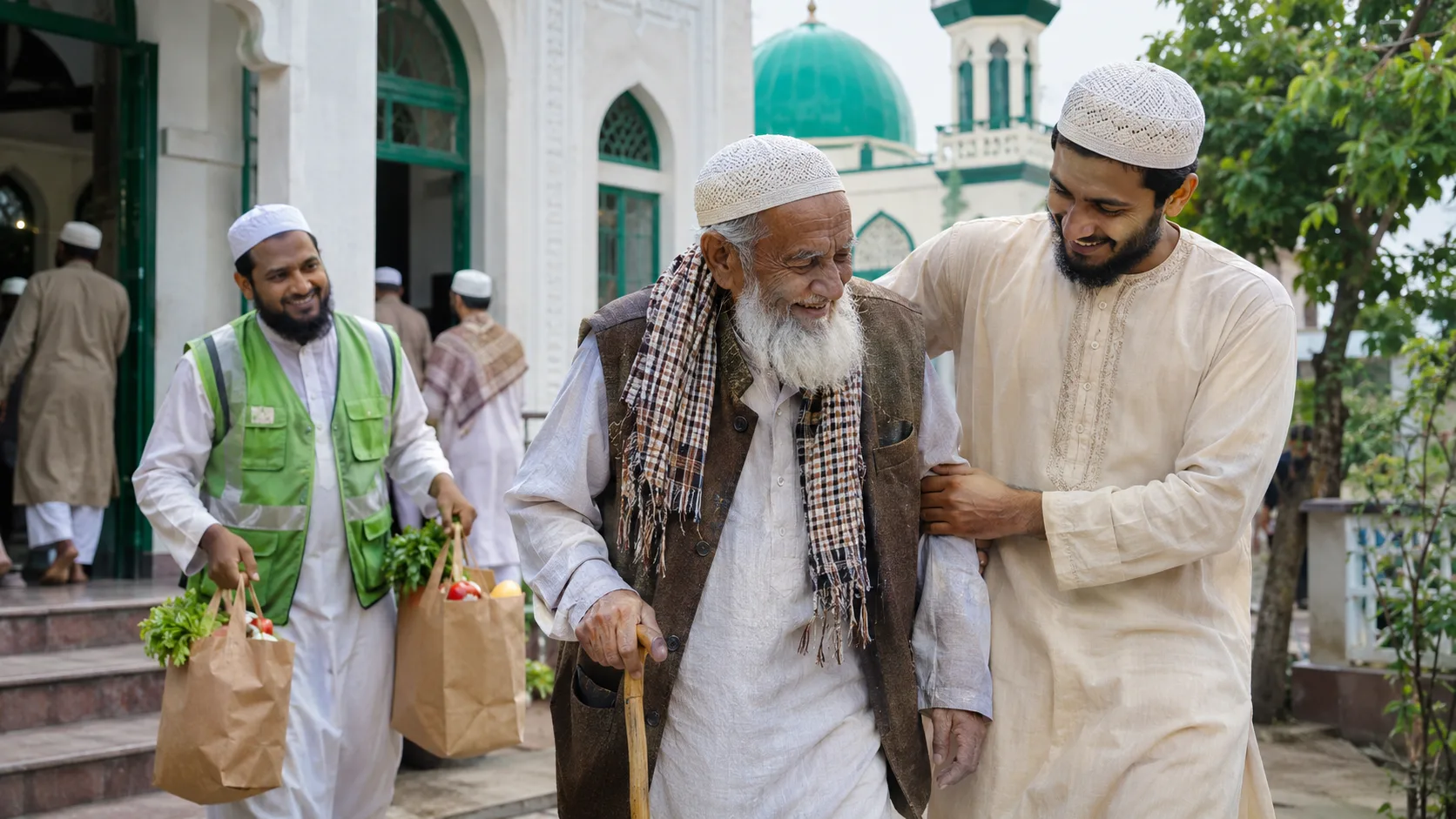
Service to others takes many forms. Feeding the hungry, caring for orphans, helping the weak, and supporting people in distress are essential expressions of compassion. Yet opportunities for goodness are also present in ordinary daily interactions.
A welcoming greeting can ease loneliness. Patient guidance can help someone who feels confused. A comforting word can bring relief to a troubled heart. Even a sincere smile can make another person feel acknowledged and respected.
These acts remind us that everyone has something to offer. A person with limited financial resources can still give time, attention, encouragement, or practical assistance. What matters is a sincere willingness to benefit others.
Giving With Sincerity and Respect
The manner in which we help others matters deeply. Kindness should preserve the dignity of the person receiving it. Assistance loses much of its meaning when it is accompanied by humiliation, repeated reminders of favors, or an expectation of praise.
Acts of goodness should be performed sincerely for the sake of Allah. This intention encourages generosity without pride and service without the desire to control others.
Respectful giving allows people to receive help without feeling diminished. It strengthens relationships and nurtures a spirit of brotherhood rooted in care rather than obligation.
Mutual Support Creates Security
Knowing that help is available can make hardship easier to face. A person who trusts that their community will stand beside them is less likely to feel completely alone when difficulties arise.
This sense of belonging is one of the important benefits of social solidarity. It encourages trust, strengthens cooperation, and helps communities respond to crises together. When the strong support the weak and those with resources assist those in need, compassion becomes part of everyday life.
The Khutbah recalled the Prophetic teaching that Allah continues to help His servant as long as the servant helps others. Serving people is therefore both a social responsibility and a spiritual opportunity—a means of seeking Allah’s pleasure through care for His creation.
The Harm of Greed and Indifference
Selfishness weakens the relationships that hold a society together. When people become concerned only with personal gain, the suffering of others can become easy to overlook. Over time, this indifference damages trust and deepens division.
The Khutbah drew attention to the Qur’anic account of the owners of a garden who intended to harvest its produce while excluding the poor. Their story offers a serious reminder about the responsibilities that accompany blessings and prosperity.
Greed can also damage family ties and community relationships. A society needs people who recognize that their abilities, opportunities, and resources carry responsibilities toward others. Protecting people’s rights and fulfilling these responsibilities are essential to lasting harmony.
Building a More Caring Community
A stronger society begins with choices within our reach: checking on someone who is struggling, sharing a meal, offering practical help, listening patiently, or speaking with kindness.
These actions may appear small, but their repeated presence shapes the character of a community. They create an environment in which people feel valued, assistance is offered with dignity, and hardship is met with compassion.
The message of this Khutbah is an invitation to make goodness a daily practice. Through sincere service, mutual care, and respect for one another’s rights, we can help build communities that offer both strength and comfort.
May Allah ﷻ grant us sincerity, protect us from greed and indifference, and make us a source of ease for others. Ameen.
Adapted from the Jum’ah Khutbah delivered by Shaikh Imamuddin Saeedi, Imam of Masjid Babu Zulfiqar, ACNA, on November 20, 2026.
Comments
Comments are moderated. Please be respectful and stay on topic.